


Notes on Eternity
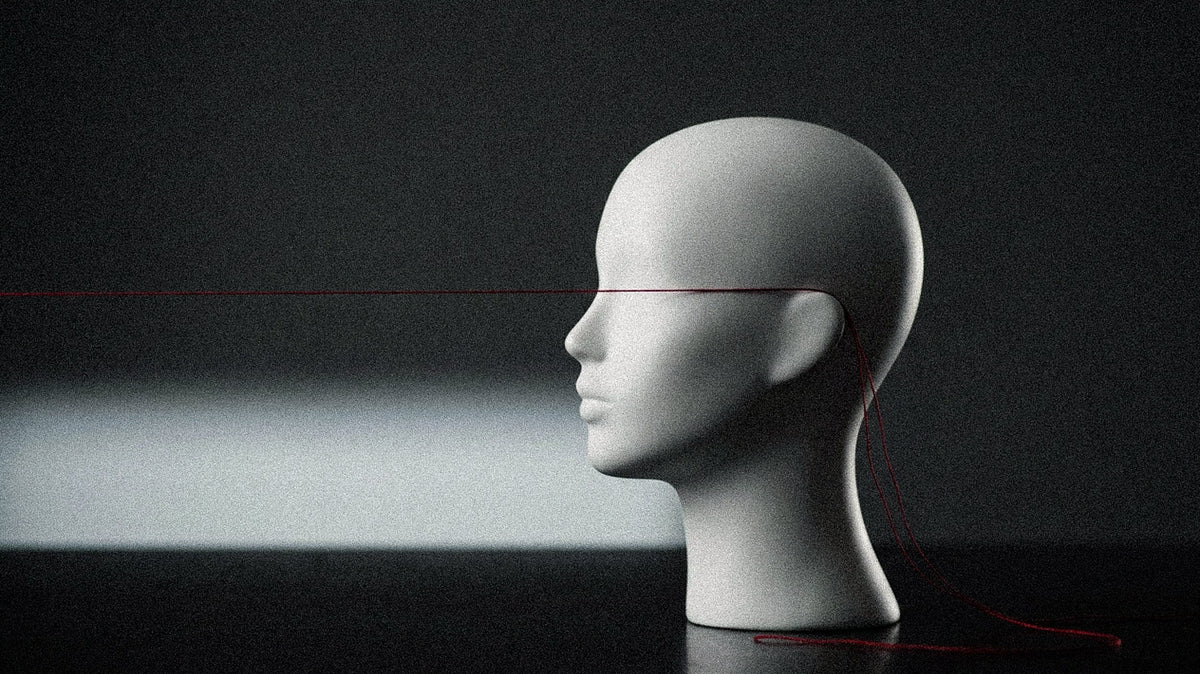
Note: Synthetic Faces — On virtual influencers, digital avatars, and the oldest mask in the world
What does a brand gain when it owns a face that was never born? From the dress form in a design studio and Galton's averaged portraits to Miquela, Blade Runner, and the masks of Noh theater, this Note looks at virtual influencers as the newest version of one of our oldest inventions. A note on AI, fashion, and identity, because a synthetic face can be lit to smile, but it cannot see us.
Illustration made for Notes on Eternity with the help of AI, October 2026. Art direction by Laura Achrem.
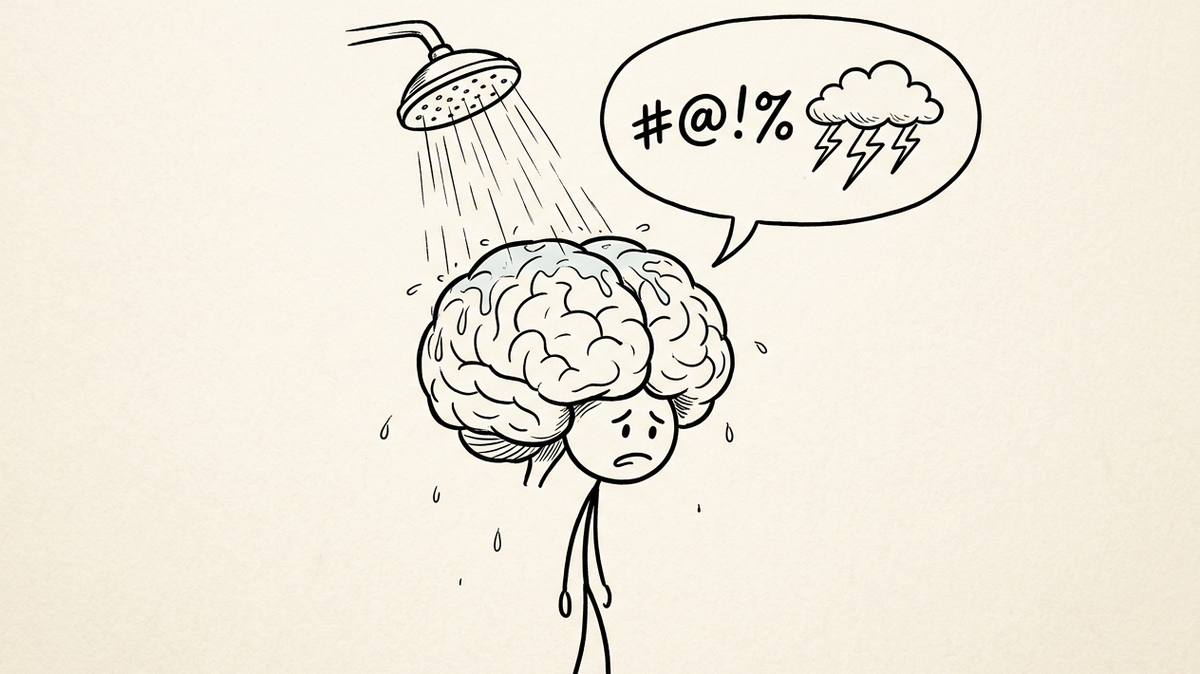
Note: Why Is This Idiot Living Rent-Free in My Head? — What irritation quietly reveals about you
Why do some people leave our minds the moment they leave the room, while others move in and start living there rent-free? From imaginary arguments in the shower to Jung's shadow and the difference between instinct and intuition, this Note looks at what irritation quietly reveals. A note on projection, curiosity and self-awareness, because the other person may have opened the door, but they didn't build the room behind it.
Illustration made for Notes on Eternity with the help of AI, October 2026. Art direction by Laura Achrem.
Note: Identity Decay — What I knew about artificial worlds before I knew how to say it
What did I know about artificial worlds before I knew how to say it? In February 2017, I defended a thesis on David Lynch, Thomas Pynchon and the copy without an original, months before the first digital supermodel and the word deepfake appeared. A note on identity, simulation and fashion, because in a world that can copy anything, what you feel is still yours.
Illustration made for Notes on Eternity with the help of AI, October 2026. Art direction by Laura Achrem.
Journal
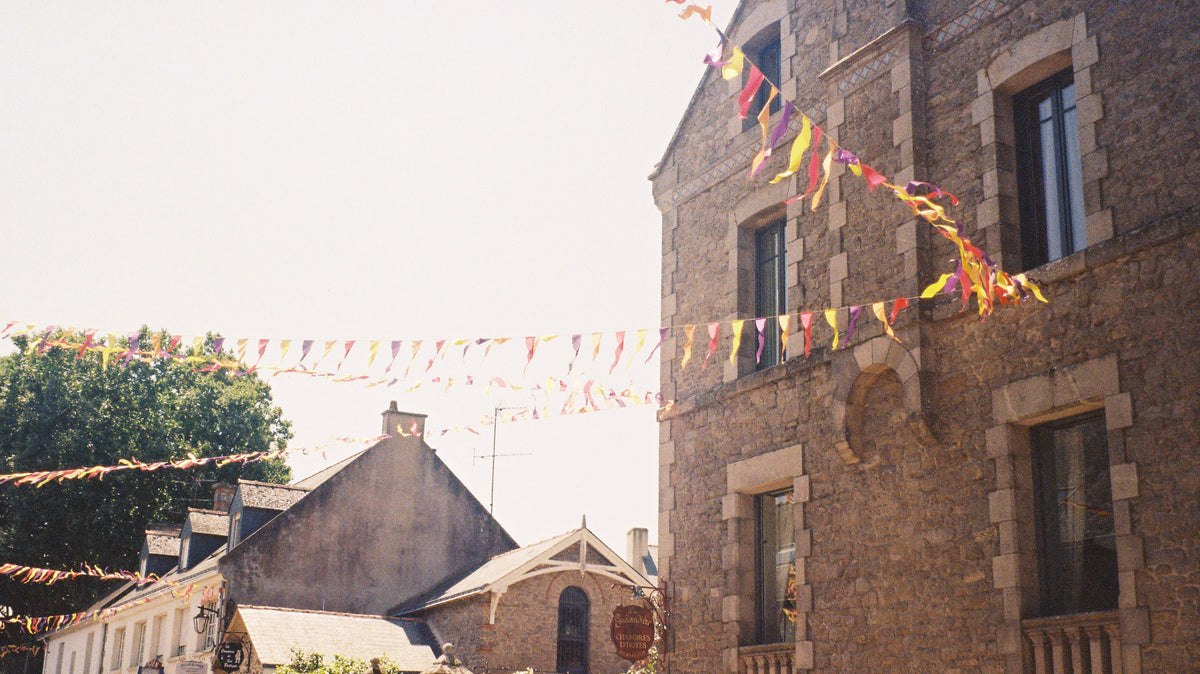
Guérande — August on 35mm
A summer walk through Guérande, a walled medieval town on the edge of Brittany, seen through 35mm film. Bunting over stone streets, a church tower between the roofs, then granite rocks, grey-green water and a pale sky above the sea.
Guérande, August 2023. Shot on 35mm film, by Laura Achrem.
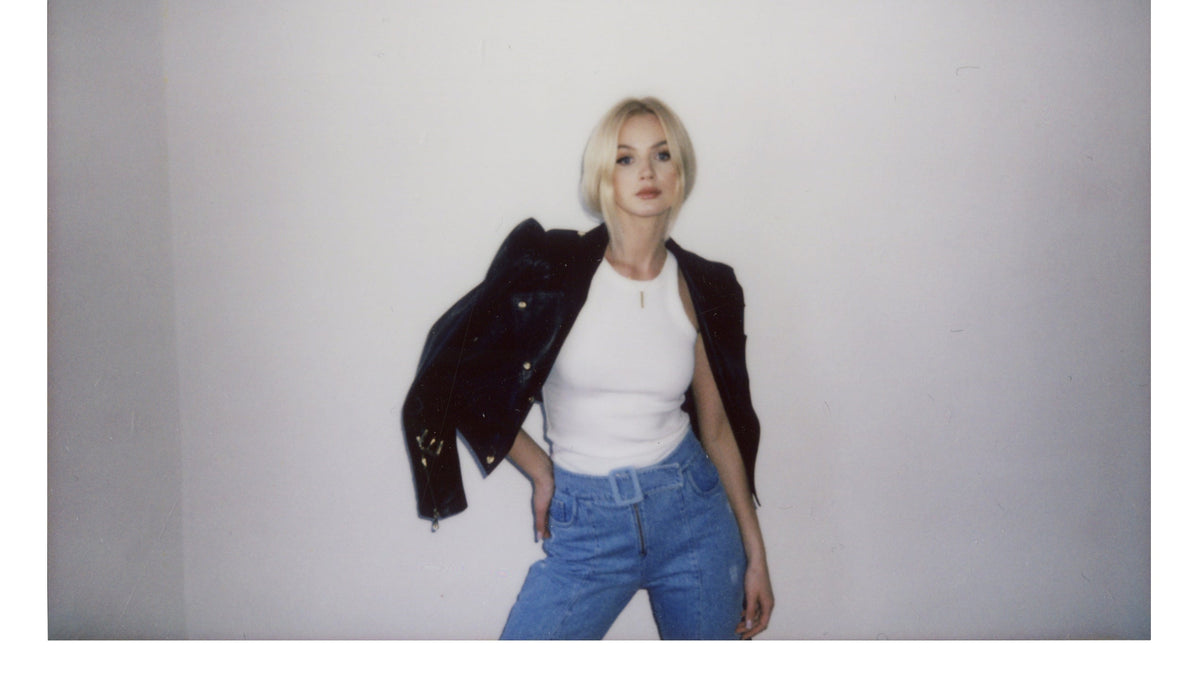
Polaroids in My Studio – Marlena
What stays from a shoot once the final images are chosen? Polaroids taken between frames, in my studio, in April 2021, with Marlena Janeczko wearing Achrem Studios.
Warsaw, April 2021. Marlena Janeczko in Achrem Studios. Polaroids by Laura Achrem.
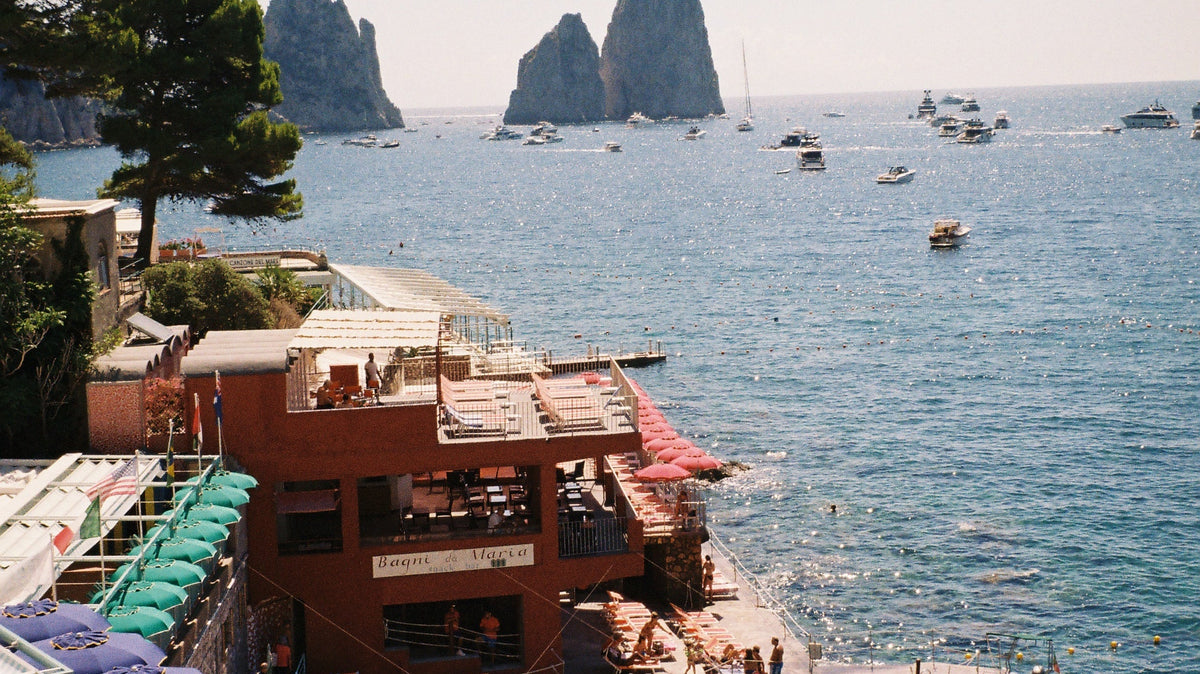
Marina Piccola, Capri — Summer on 35mm
A summer day at Marina Piccola, seen through 35mm film. Striped umbrellas, turquoise water, the red walls of Bagni da Maria and the Faraglioni on the horizon. No story beyond the image: only light, color and the slow rhythm of the sea.
Capri, July 2025. Shot on 35mm film, by Laura Achrem.


