

Notes on Eternity
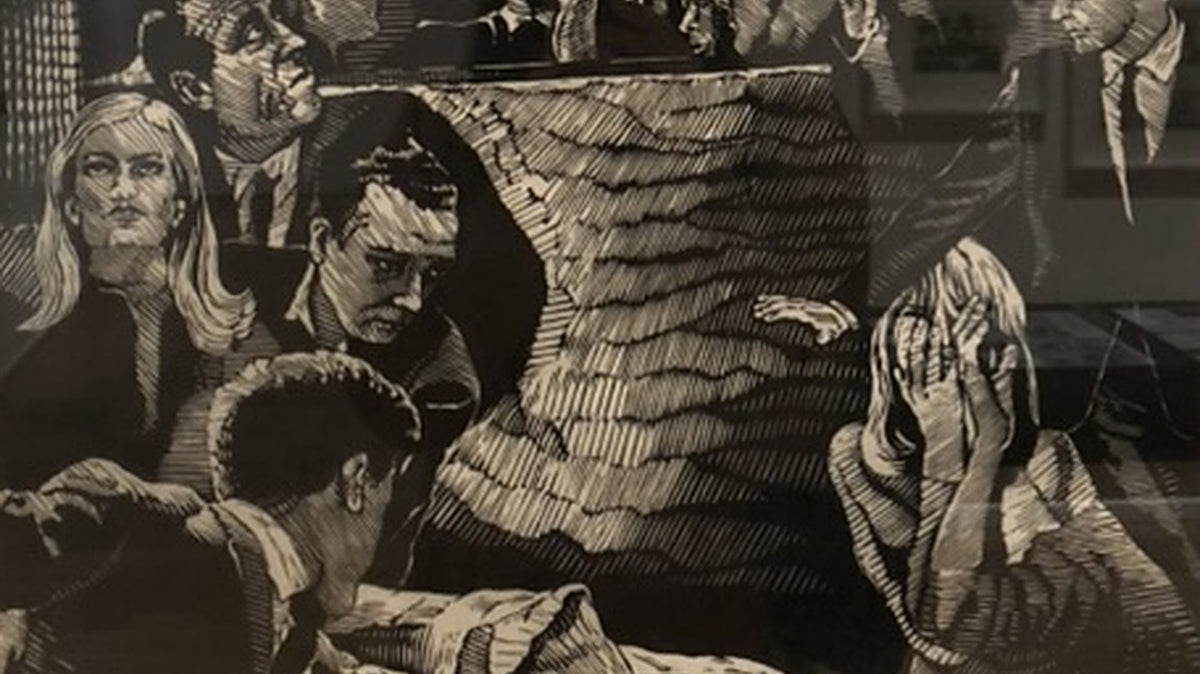
Note: The Archetypes of the Digital Age — On influencers, founders, avatars, and the old stories we keep retelling
Are influencers, founders, and avatars really new, or are they old stories in new costumes? From Josiah Wedgwood's royal tea service to Chanel's reshaped childhood and the Sanskrit roots of the word avatar, the digital age keeps retelling figures Jung would recognize. A note on archetypes, brands, and identity, because the technology will keep changing, but the stories, I suspect, will not.
Warsaw, November 2018. Maria Wąsowska, Accident (1963), linocut (detail), from the exhibition "Very Diverse and Very Exquisite: Graphics from the Collection of Zachęta" at Zachęta – National Gallery of Art. Photo by Laura Achrem.
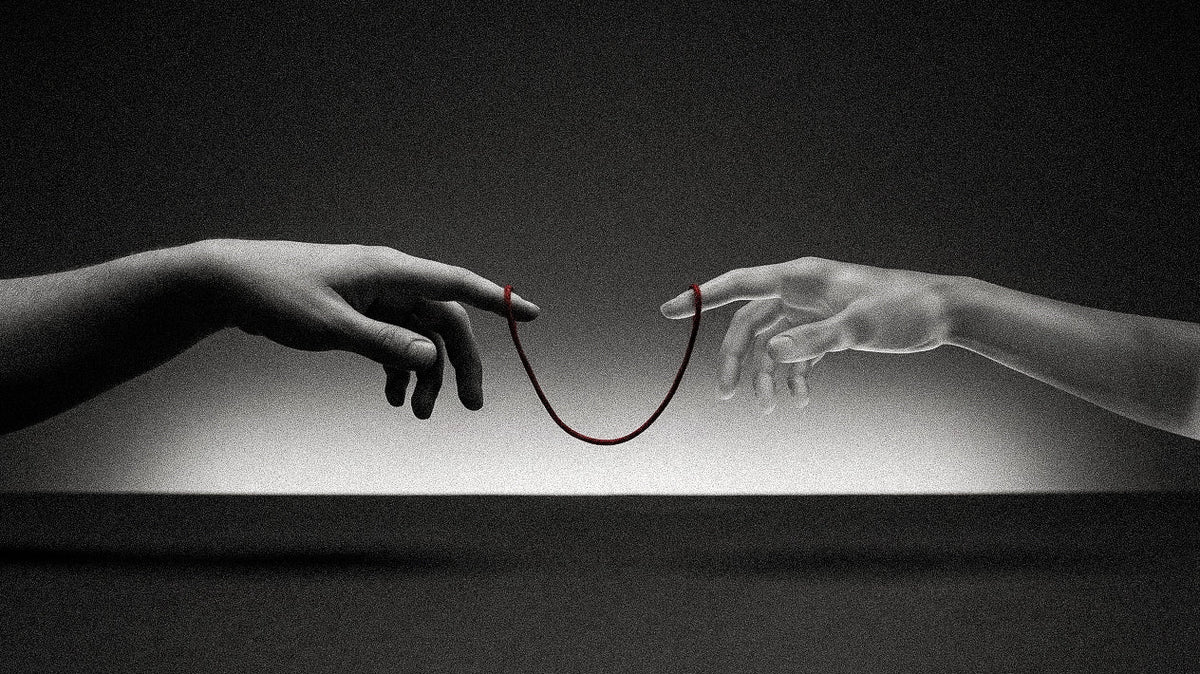
Note: The Synthetic Campaign — Where AI belongs in fashion imagery, and where it doesn't
When a machine can generate any face, who is the author of an image? From Michelangelo's Creation of Adam and the Jacquard loom that taught computers to think, to an AI model in Vogue and the old icons “not made by hands,” this Note follows one red thread through fashion's newest question. A note on AI, luxury and authorship, because the future of fashion imagery will not be decided by what machines can make, but by what we are willing to sign.
Illustration made for Notes on Eternity with the help of AI, October 2026. Art direction by Laura Achrem.
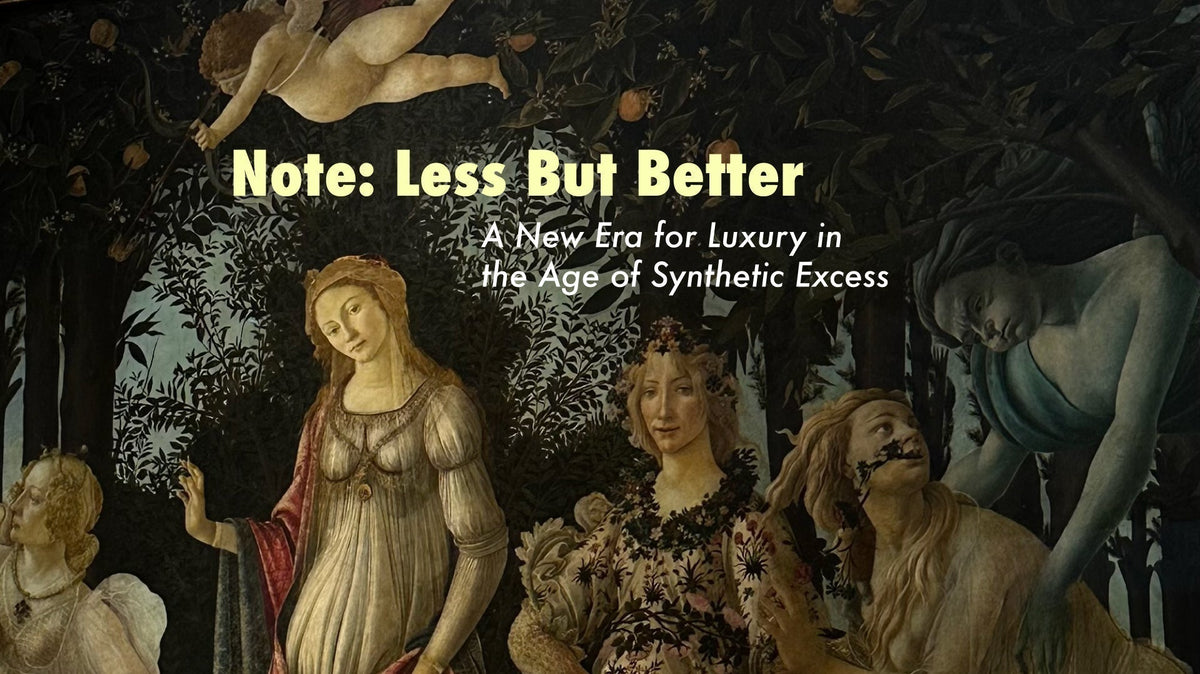
Note: Less But Better - A New Era for Luxury in the Age of Synthetic Excess
What happened to luxury? What once meant craftsmanship, longevity and intention has been absorbed into fast e-commerce, where rotation matters more than resonance and polyester poses as couture under premium photography. A note on recycled polyester as green marketing, microplastics and the return to natural fibers, because true luxury is not a product, but an elegant resistance against synthetic excess.
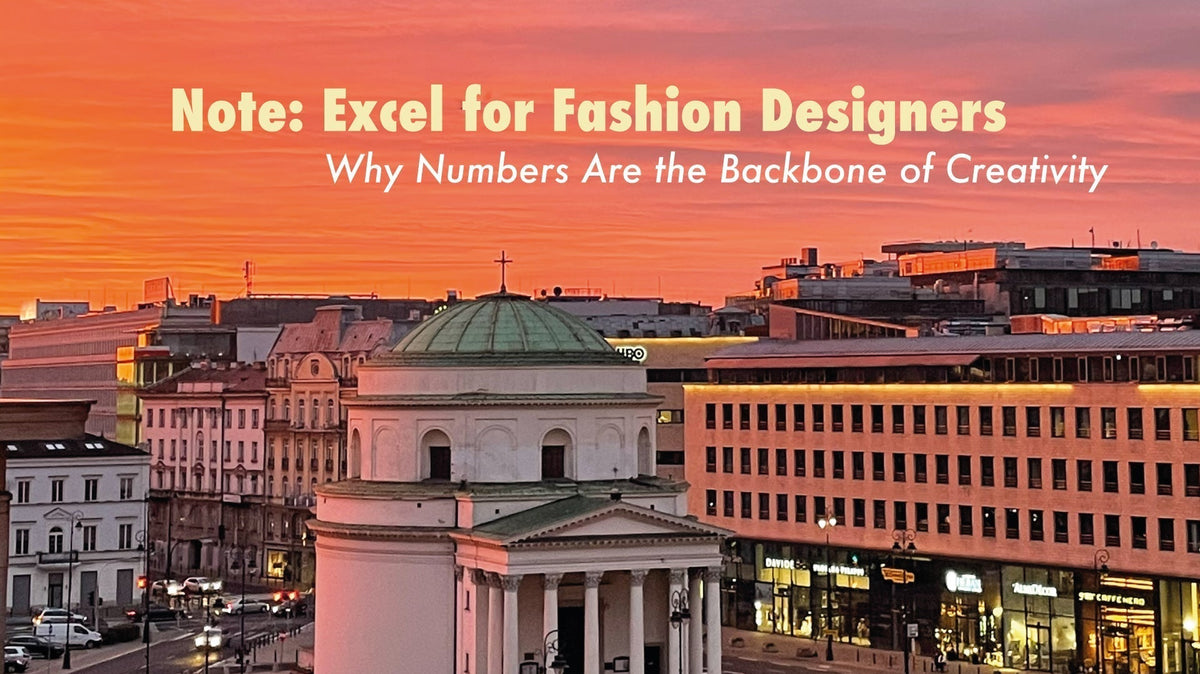
Note: Excel for Fashion Designers - Why Numbers Are the Backbone of Creativity
What does running a fashion brand really look like behind the sketches and draped fabric? Mostly numbers: production documents, size charts, fabric usage, costing sheets and calendars, all held together by spreadsheets and pivot tables that track sales, stock and waste. A note from a designer and founder on why embracing numbers doesn’t kill creativity, it protects it.
